Stopping Ice Dams in Kennewick: What Homeowners Should Do
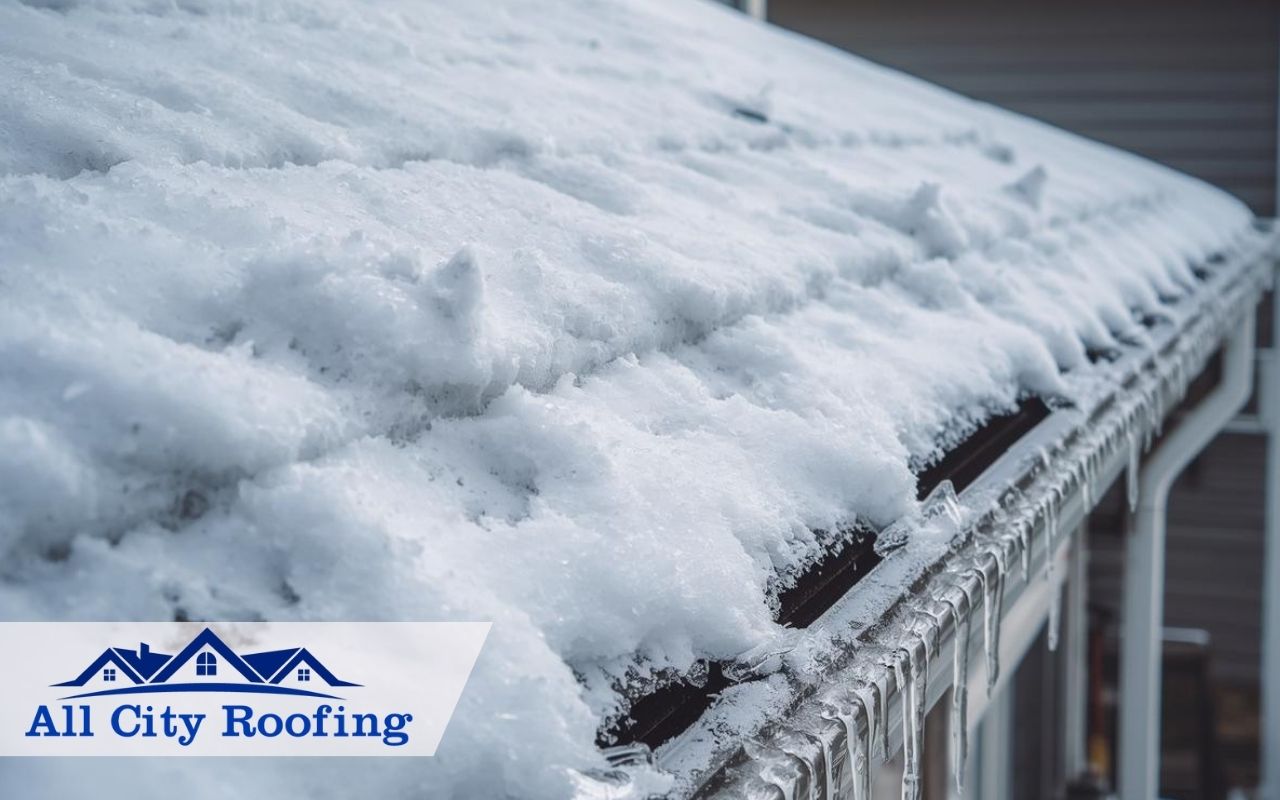
Ice dam prevention in Kennewick, WA starts with understanding how snow, melting water, and cold air affect your roof. When warm air escapes from your home, snow melts and refreezes at the eaves, which creates heavy ice ridges.
These ice ridges can push water backward under shingles and into your home. As a result, ceilings, walls, and insulation may get damaged. With a clear plan, you can reduce this risk and keep your home dry and comfortable all winter.
Why Ice Dam Prevention in Kennewick Matters
Kennewick winters bring freeze–thaw cycles that stress your roof. Although every home is different, ice dam prevention in Kennewick, WA is important for any roof with shaded areas, shallow slopes, or older materials. Even newer roofs can struggle when snow and ice pile up.
- Ice dams can cause roof leaks that stain ceilings and walls.
- Trapped moisture can lead to mold growth in attics and wall cavities.
- Heavy ice may bend gutters or pull them away from the house.
- Hidden water damage can shorten the life of your roof system.
Because of these risks, it makes sense to stay ahead of ice dam problems. Instead of reacting to a leak, you can take simple steps now to protect your home before winter storms arrive.
What Causes Roof Ice Dams?
Roof ice dams form when three things come together: snow on the roof, heat escaping from inside, and cold outdoor temperatures. Snow melts on the warmer parts of the roof, then water runs down and refreezes at the colder edges.
Uneven roof temperatures usually come from poor attic insulation, limited ventilation, and air leaks from the living space. As this pattern repeats, thick ice builds along the eaves. Eventually, water has nowhere to go except under shingles and into your home.
Typical Problem Areas on Kennewick Roofs
Some roof designs trap more heat than others. Areas over bathrooms, laundry rooms, or vaulted ceilings often stay warmer. Recessed lights, attic hatches, and poorly sealed ductwork can also send warm air straight into the attic, which makes roof ice dams more likely.
Tools and Resources for Safer Winter Roof Care
Good tools make it easier to manage ice and snow safely. When you plan your winter maintenance, think about which tools help support ice dam prevention in Kennewick, WA without damaging shingles, gutters, or siding.
- Roof rake with a long handle: Gently pull fresh snow off the eaves from the ground.
- Calcium chloride socks: Use carefully to create channels through existing ice, never rock salt.
- Gutter cleaning tools: Keep gutters clear so melting snow drains away from the home.
- Professional roofing help: Hire a local roofer for safe ice removal on steep or high roofs.
In addition, keep a small notebook or app to record trouble spots each winter. That way, you and your roofer can focus improvements where they will make the biggest difference.
Best Practices for Winter Roof Care in Kennewick
Many ice dam problems begin long before snow falls. If you follow a few simple best practices, you can improve comfort, lower energy waste, and prevent future damage at the same time.
Attic Insulation Tips for Even Roof Temperatures
Start with basic attic insulation tips. Aim for a consistent layer of insulation across the attic floor. Seal gaps around light fixtures, plumbing vents, and attic doors before adding more insulation, so warm air does not sneak into the attic and warm the roof deck.
Use baffles near the eaves to keep soffit vents clear. This detail helps insulation stay in place while still allowing fresh air to move along the underside of the roof. As a result, the roof surface stays colder and ice dams are less likely to form.
Improve Roof Ventilation in Winter
Balanced roof ventilation in winter helps remove warm, moist air from the attic. Soffit vents bring in cooler air, while ridge or roof vents let warmer air escape. When intake and exhaust vents work together, roof temperatures stay more even and snow melts more slowly.
Have a roofing professional check that your vents are open, not painted shut, and free of debris. Proper airflow also reduces condensation, which helps protect wood framing and insulation.
Remove Snow Safely and Prevent Roof Leaks
When heavy snow is in the forecast, plan ahead. Use a roof rake to clear the first few feet of snow from the eaves whenever it is safe to do so. This step helps prevent roof leaks because it reduces the amount of meltwater trapped behind potential ice dams.
Avoid climbing on an icy roof or chipping at ice with sharp tools. These methods can damage shingles and gutters. Instead, if you already see leaks or ceiling stains, read this guide on how to fix a leaking roof and speak with a local roofer about permanent solutions.
Common Ice Dam Myths and Mistakes
There are many myths about ice dams, and some can even make the problem worse. By avoiding common mistakes, you can protect both your roof and your safety all winter long.
- Myth: “A warm roof is good because it melts snow faster.” In reality, uneven warmth creates roof ice dams.
- Myth: “I can just chip the ice away with a shovel.” This often damages shingles and gutters.
- Myth: “Heat cables solve everything.” They may help in limited spots but do not replace insulation and ventilation.
- Mistake: Ignoring small ceiling stains until spring, when damage is much larger and more costly.
Instead of relying on quick fixes, focus on the roof system as a whole. Insulation, airflow, and safe snow removal work together to limit ice dam formation over the long term.
Measuring Your Progress and Checking for Damage
After you make changes, you will want to see whether they work. One simple way is to watch how snow melts on your roof. Even snow cover usually means better attic insulation and ventilation, while bare spots can signal heat loss.
Inside, look for new water stains, peeling paint, or musty smells in the attic. These clues may show that more work is needed. To stay organized, follow a detailed self roof inspection checklist at least once each winter.
If you spot active leaks, sagging drywall, or large ice ridges, do not wait. At that point, ice dam prevention in Kennewick, WA should include a professional evaluation. Quick action can limit damage and protect your home’s structure.
Ice Dam Prevention vs. Short-Term “Quick Fix” Approaches
Many products promise instant results, yet they often treat only the surface problem. For example, tossing de-icer tablets on the roof may open a small channel, but it does not stop heat from escaping into the attic, so ice dams usually return.
In contrast, long-term solutions focus on the whole system. By improving insulation, sealing air leaks, and fine-tuning ventilation, you reduce the conditions that create roof ice dams in the first place. This approach also supports better comfort and energy savings year-round.
Frequently Asked Questions
How do I know if I already have ice dam damage?
Look for water stains on ceilings or walls, peeling paint near exterior walls, or damp insulation in the attic. Outside, check for sagging gutters, thick ice at the eaves, or icicles that seem to come from behind the gutters instead of the front edge.
Can I handle ice dam prevention myself?
You can do several tasks yourself, such as basic attic air sealing, adding insulation in open areas, and using a roof rake from the ground. However, anything involving steep roofs, electrical work, or major ventilation changes is safer when handled by an experienced roofing contractor.
Are heat cables a good idea for my Kennewick home?
Heat cables can sometimes help in stubborn areas, like short valleys or over unheated porches. Still, they work best as a support tool, not the main solution. You will see better long-term results when heat cables are combined with improved insulation and balanced attic ventilation.
How often should I inspect my roof in winter?
It is wise to give your roof a quick visual check after major storms and during extended cold periods. Watch for growing ice ridges, sagging gutters, and large icicles. Regular checks help you act early before a small problem turns into a major roof leak.
When should I call a professional roofer?
Call a professional if you see active leaks, large interior stains, or heavy ice that you cannot safely reach from the ground. A roofer can remove ice carefully, evaluate hidden damage, and suggest improvements that support ice dam prevention in Kennewick, WA for future winters.
Conclusion
With the right steps, ice dam prevention in Kennewick, WA becomes a manageable part of winter home care. By improving insulation, boosting attic ventilation, and removing snow safely, you can reduce leaks and protect your investment. If you need expert help, contact All City Roofing to review your roof and plan lasting solutions.
Follow Us: