
Protect Your Home: Emergency Roof Tarping in Tri-Cities WA Basics
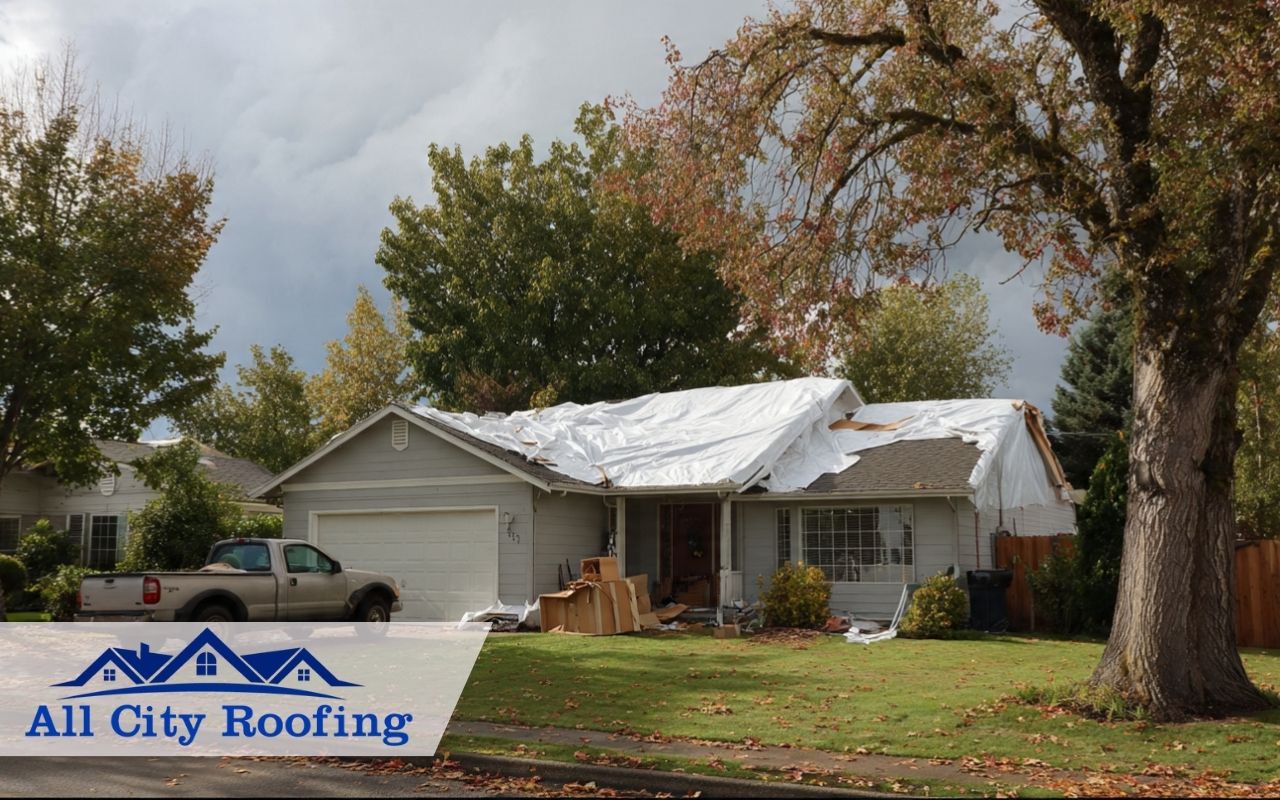
Emergency roof tarping Tri-Cities WA helps protect your home when storms strike without warning. Roofs take the first hit from wind and rain. Even so, a fast tarp can keep water out. With All City Roofing, you can act quickly and feel safer.
In Tri-Cities, weather can change fast. Therefore, having a plan matters. Temporary roof repair may seem simple, yet it stops bigger damage. As a result, you protect your family and your home while you plan the next steps.
Emergency roof tarping Tri-Cities WA: Why It Matters
Right after a storm, quick protection can lower repair costs. A tarp blocks water from entering damaged areas. Consequently, you gain time to schedule lasting work. In addition, you reduce the risk of mold and rot.
- Helps keep ceilings and walls dry
- Limits insulation and framing damage
- Reduces safety risks from moisture
Wind damage roof issues often include lifted shingles and exposed decking. Because gaps invite water and debris, covering them quickly matters. Temporary roof repair is not just a pause. Instead, it is a protective step that keeps your home stable.
What Happens If You Wait Too Long
Even a few hours can let rain soak drywall and insulation. Then, moisture spreads and causes stains and sagging. Over time, repairs become harder and more expensive. That is why delaying Emergency roof tarping Tri-Cities WA can raise the risk fast.
- Mold growth in hidden spaces
- Electrical hazards near wet materials
- More damage from gusts and debris
In windy weather, loose materials can tear wider openings. As a result, water enters faster. So, quick coverage is often the safest choice.
Check Roof Damage After a Storm
First, stay safe and look from the ground. Use binoculars if needed. Watch for missing shingles, punctures, and bent flashing. Also, note areas where water may pool. Wind damage roof signs can include torn edges and lifted corners.
Next, check the attic for wet spots. Look for damp insulation and dark stains on rafters. If you smell mustiness, a leak may be active. When damage seems unclear, an emergency roofer Kennewick homeowners trust can confirm what needs coverage.
Tools You Need for Temporary Roof Repair
Having supplies ready makes a faster, safer response. Choose a heavy polyethylene tarp. Make sure it overlaps the damaged area by at least two feet. Then, use strong fasteners and basic safety gear.
- Large tarp, roofing nails, and washers
- Hammer or staple gun, utility knife, and tape
- Stable ladder, gloves, eye protection, and non-slip shoes
Rope or bungee cords can add support in gusts. A chalk line helps keep edges straight. Therefore, your tarp is more likely to stay put.
How to Secure a Tarp Safely
Measure the area before you climb. Then, cut the tarp so it reaches solid roof sections. Place it over the damaged spot and smooth it flat. Work slowly, and avoid steep zones when possible.
Fasten the edges
Nail or staple along the tarp edges in even spacing. Use washers when you can. This spreads force and reduces tearing. After that, secure corners with rope to strong anchor points.
Keep water moving downhill
Lay the tarp so water sheds in one direction. Overlap sections like shingles if you need two tarps. Then, seal seams with roofing tape to block wind-driven rain.
Keep the Cover Weather-Tight
After installation, check for gaps and loose edges. Add weight along lower edges if needed. Sandbags can help, yet keep them away from sharp corners. In addition, re-tighten ropes after strong wind events.
Inspect after each storm. If you see sagging, adjust before water pools. Small fixes now prevent bigger problems later.
When to Call a 24/7 Tarping Team
Sometimes DIY is not safe or enough. Complex roof shapes and major leaks need expert help. In those cases, a 24/7 tarping crew can respond fast. For Emergency roof tarping Tri-Cities WA, All City Roofing can help protect your home quickly.
If you need an emergency roofer Kennewick residents rely on, choose a team that can assess damage and cover it correctly. That way, you avoid repeat leaks while you plan permanent work.
Maintain the Temporary Fix
Check the tarp every few days and after bad weather. Look for tears, loose fasteners, and pooling water. Then, tighten edges right away. Also, keep gutters clear so runoff flows away from the roof.
Remove branches and debris carefully. Avoid puncturing the tarp while you work. With steady checks, your temporary roof repair can last longer.
Frequently Asked Questions
How long can a roof tarp stay in place?
It can last days to weeks, depending on wind and rain. However, it is not a final fix. Plan repairs as soon as conditions allow.
Can I tarp my roof during heavy rain?
It is risky because surfaces get slick. If conditions are unsafe, wait for calmer weather. Alternatively, call 24/7 tarping support to reduce danger.
What size tarp should I use?
Use a tarp that covers the damage and extends at least two feet past it. More overlap is better. This helps prevent wind lift and leaks.
Do I need a professional for wind damage roof problems?
If the roof is steep, damaged badly, or leaking in several areas, yes. A pro can spot hidden issues and secure the tarp correctly.
Will insurance accept Emergency roof tarping Tri-Cities WA as mitigation?
Often, insurers expect quick steps to limit damage. Take photos before and after tarping. Keep receipts and notes for your claim.
Plan Your Permanent Repair
After the tarp is stable, plan the lasting repair. Compare options like shingle replacement or larger restoration. Also, collect photos and notes for insurance. Once Emergency roof tarping Tri-Cities WA has stopped active leaks, you can focus on a durable solution.
To understand the next repair path, review the options on roof repair and replacement services. Then, if you need a fast inspection, reach out through request emergency roof help with All City Roofing. With All City Roofing, you can move from urgent protection to a clear, lasting plan.
Follow Us: